Field Trips
The Highlands Center
The Highlands Center has provided science and experiential based school field trips for over 25 years. Field trips are spent completely out on Highlands Center trails, giving students, teachers and chaperones the opportunity to engage in the natural world around them and discover the wonder of the Central Highlands.
If you are with a homeschool program, please contact us regarding designing your own program.
The Topics of Highlands Center Field Trips
Regardless of which topic you choose, all field trips include the same components.
The Nature of Light & Sound
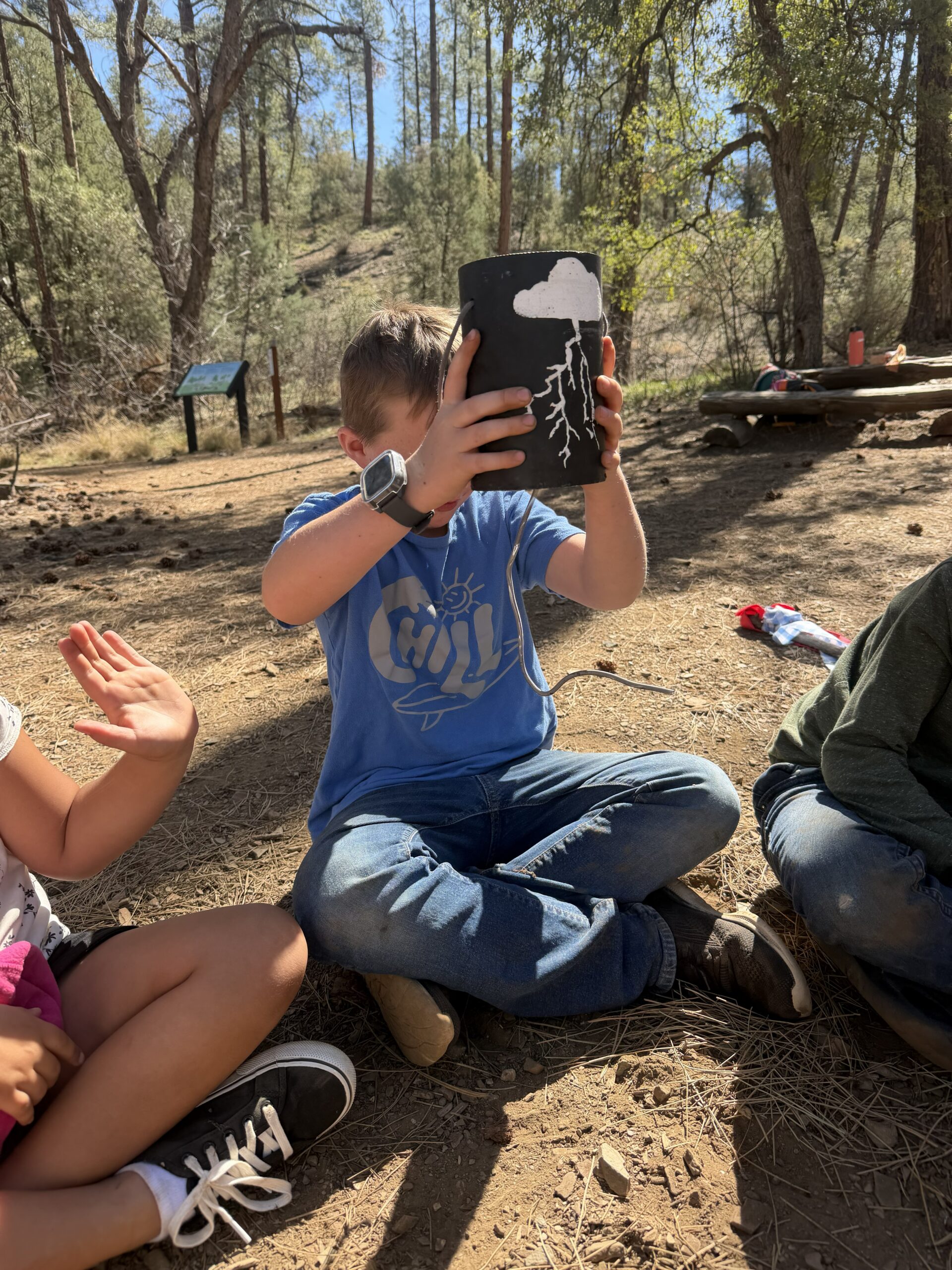
How do animals use sound to communicate? Why do shadows change throughout the day? We know our students will be eager to find out! This field trip introduces students to the science of light and sound through exploration in the forest. Together, we’ll investigate how animals use sound to survive, how light helps us observe the world around us, and why light and shadows change throughout the day. Through games, experiments, and close observation, students will discover how these forms of energy shape the natural world while building curiosity, scientific thinking, and a deeper connection to nature.
*Recommended for grades K-1, but can be adapted for all age groups.
Fossils, Geology & Earth’s Spheres
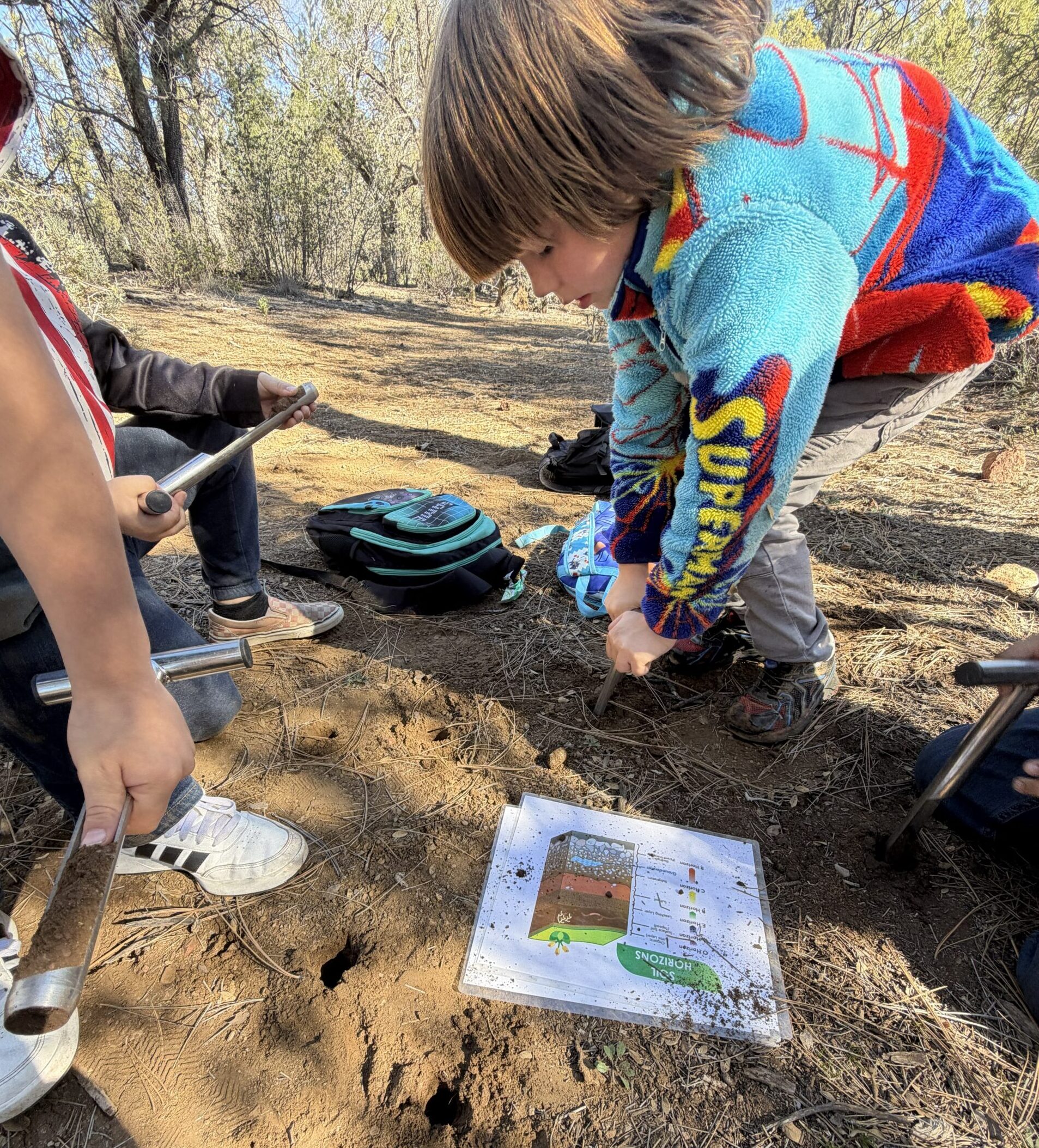
What stories can rocks and fossils tell us? How do land, water, air, and living things work together to shape the world around us? We can’t wait to find out! Students will build watersheds, investigate how wind shapes the landscape, uncover fossils, engineer shelters to withstand monsoon rains, and explore the connections between Earth’s major systems. Along the way, they’ll observe patterns, make predictions, and gain a deeper understanding of how our dynamic planet is constantly changing and supporting life.
*Recommended for grades 3-5, but can be adapted for all age groups.
What’s on the Menu?
Surviving in the Central Highlands
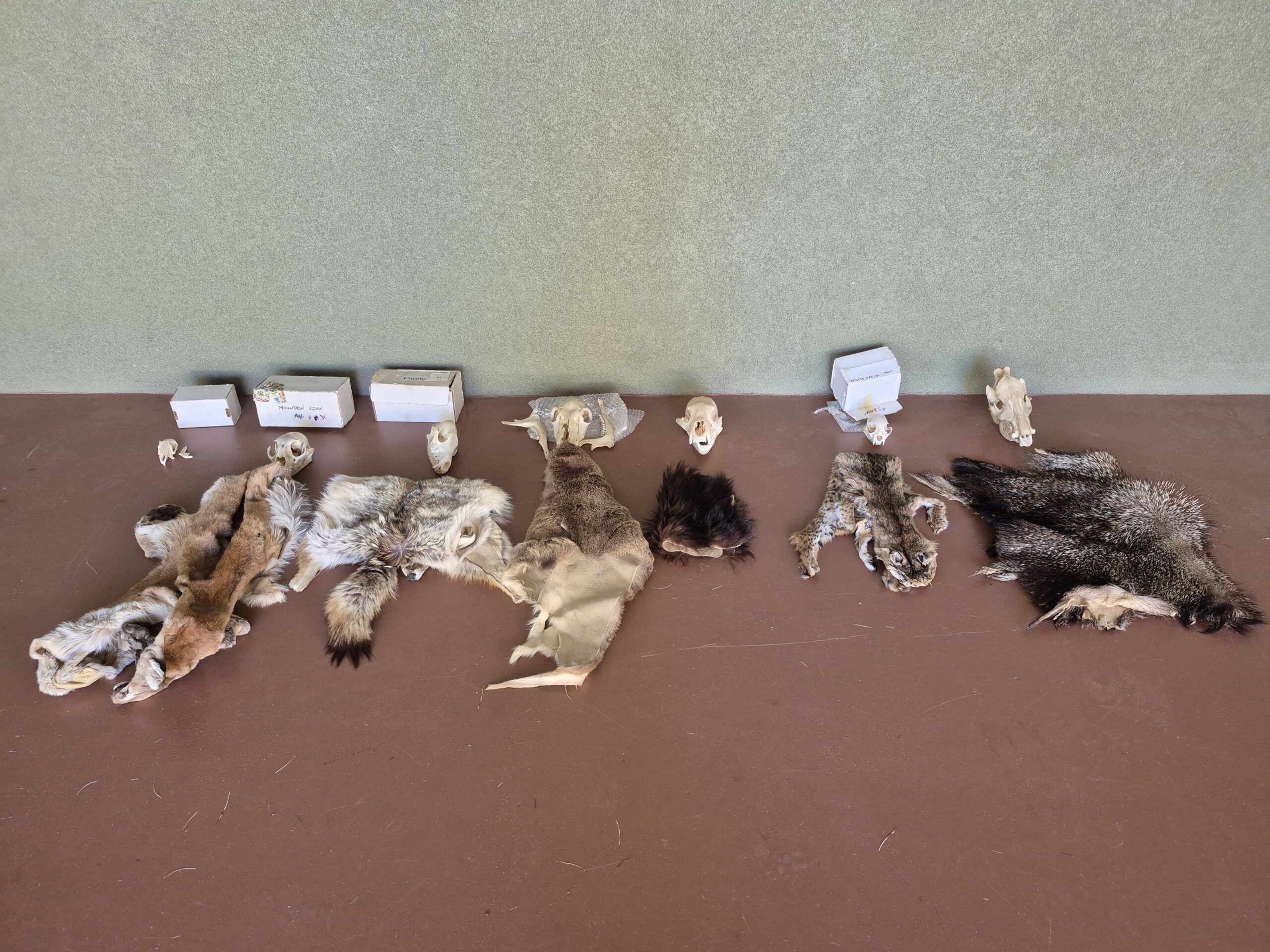
Who’s hungry for learning about the food of the Central Highlands? We know we are! One of the things all life has in common, from oak to worm and hummingbird to human – we all have to eat. This field trip focuses on life science standards for K-5 students. Specifically, we’ll explore specialized parts for obtaining food, food as a resource needed for survival, energy transfer within food webs, the diversity of food sources, and more. Students will leave with an appreciation for the importance of food in shaping life, as well as a deeper understanding of the role of food and the webs around that food.
*Recommended for grades 2-4, but can be adapted for all age groups.
What Goes Up, Must Come Down
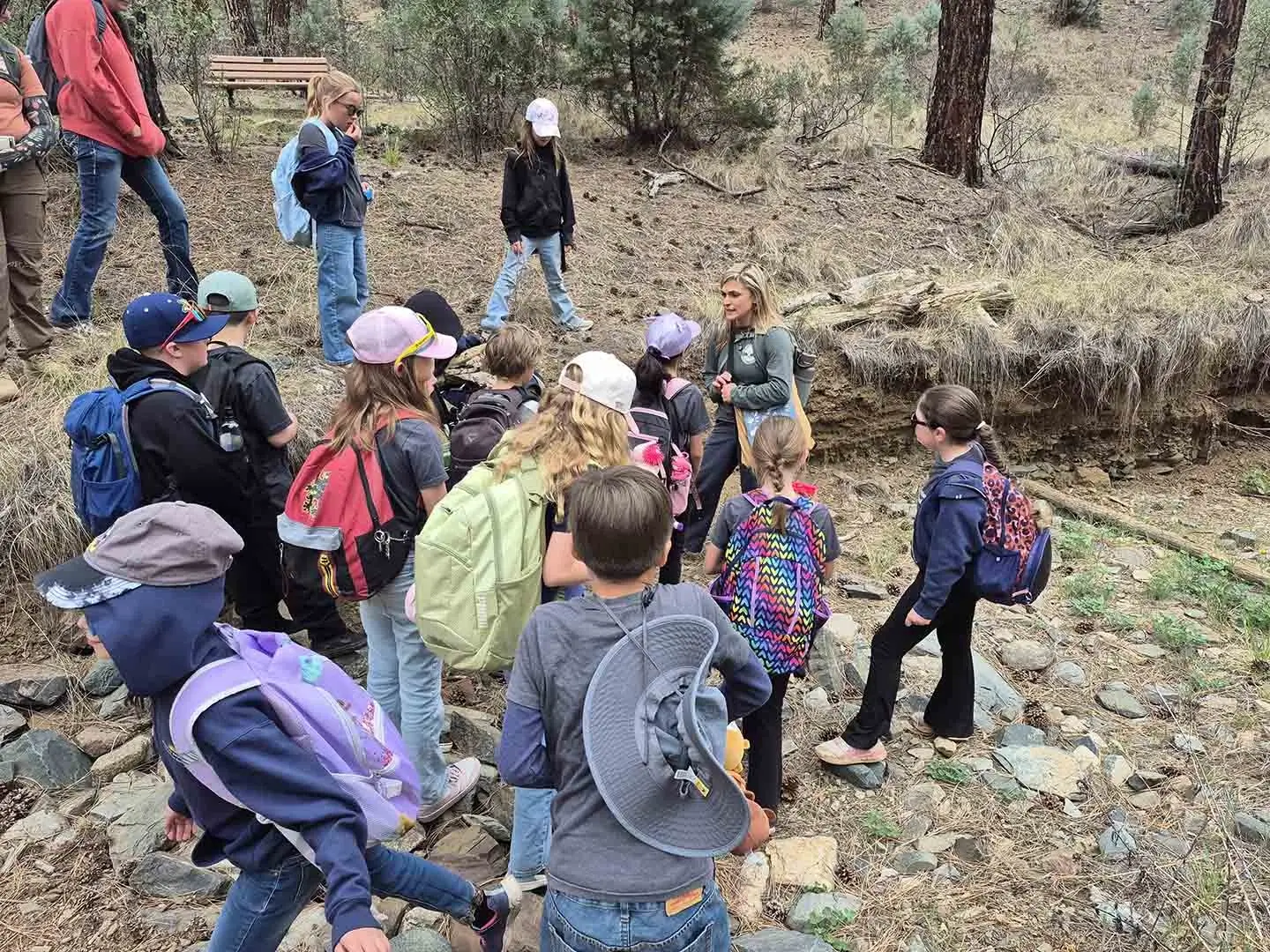
All About Erosion
This field trip offers the unique opportunity to get a ‘rocks eye view’ on weathering. Students will visit the highest and lowest places at the Highlands Center to get a broad perspective of how wind and water work to transport materials. Students will also explore how natural seasonal changes and human dimensions of the environment affect the cycles of erosion. This field trip focuses on earth science standards for K-4 students. Specifically, we’ll explore the role of wind and water in shaping the environment, how weather and climate affect our area, and the human impact on this process. Students will leave with an understanding of how earth materials are transported and an appreciation for how these processes help to define the Central Highlands landscape.
*Recommended for grades 2-4, but can be adapted for all age groups.

Patterns in Nature
“Understanding life begins with understanding patterns” – Fritjof Capra
Nature takes a theme and runs with it, resulting in patterns all around us. This field trip teaches students the skills to notice patterns, then lays the groundwork to anticipate change and interpret natural phenomena. This field trip focuses on physical science standards for K-5 students. Specifically, we’ll explore examples in the physics of light, sounds/vibrations, temperature, magnetism, and gravity in the natural world. Students learn that patterns are not only visual, but textural and auditory too. Patterns can be seen in animal markings and plant leaves, felt on rocks, and heard in the repeated rhythm of bird calls. Students will leave with a sense that patterns are not only seen, but experienced.
*Appropriate for all grade levels, adapted as necessary.
The Artists’ Eye
Making a masterpiece with a naturalists touch
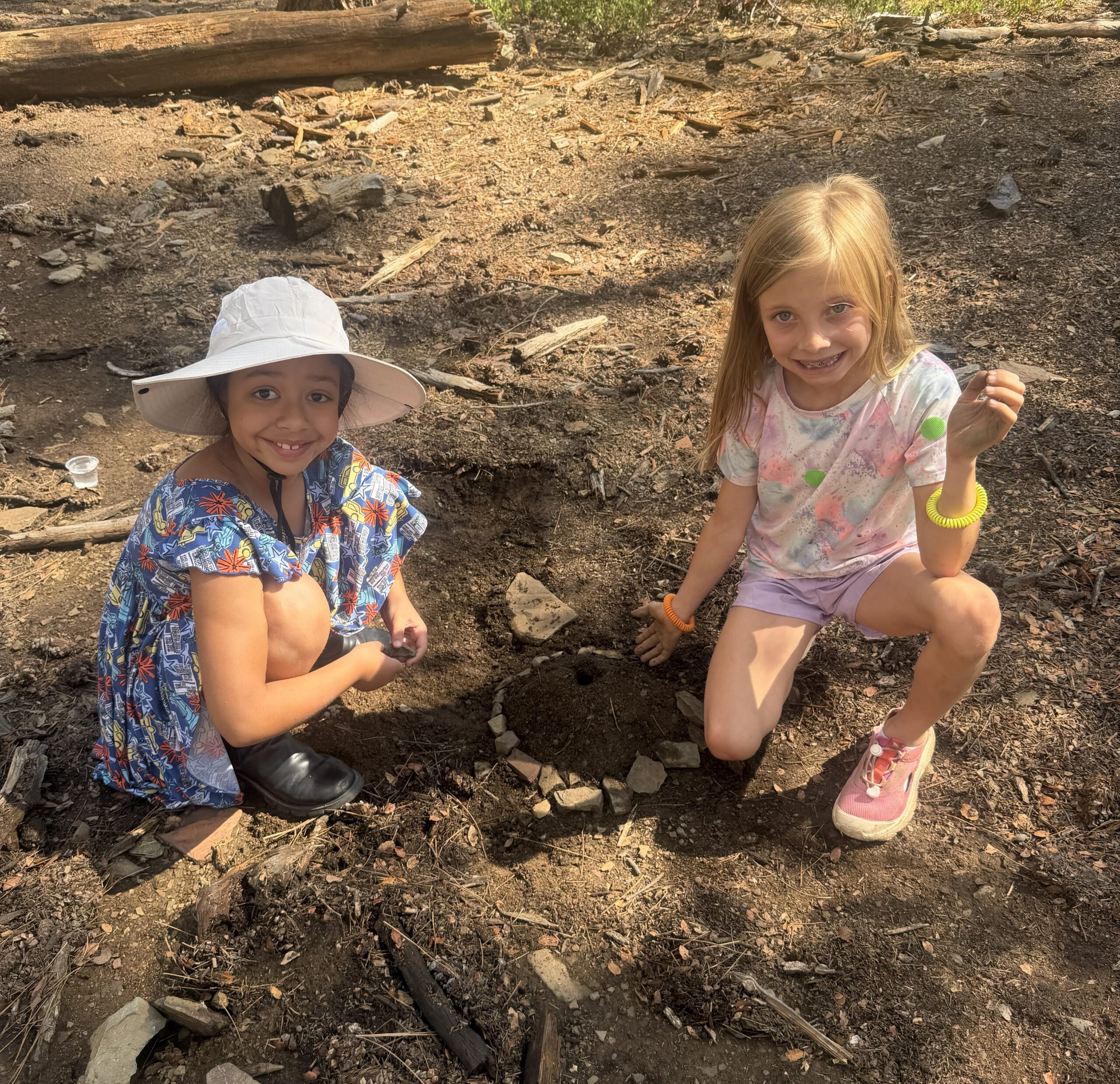
Since prehistoric times, Southwestern artists have often been inspired by the natural world. This field trip invites students to engage their creative side – to work with natural mediums in the scenic outdoor settings of the Highlands Center to create works of art. In doing so, students will also learn about nature through close observation and physical manipulation of local materials. Sometimes the best way to learn about nature is to stare at an insect for 5 whole minutes, or carefully trace different leaves, or feel the weight and balance of rocks by building a cairn, or use the sap of pinyon as glue. Students will leave with an appreciation for the confluence of art and nature, as well as a sense of empowerment as an artist.
*Appropriate for all grade levels, adapted as necessary.
Pricing and Registration
| Participant | Price per Class |
| One class | $500 |
| *Title One Schools | $250 |
| Teachers and Paraprofessionals | Free |
| Additional Chaperones | $10 |
We are able to accommodate a maximum of approximately 60 students per visit.
Highlands Center is committed to serving all students regardless of financial status. If pricing is a barrier, please call the Education Team at 928-776-9550.
If you are with a homeschool group, please contact us regarding designing your own program.
Know before you go:
Field trips are entirely out on forest trails for the full 3 hours, and all participants will be outside hiking during this time.
Programs will begin at 9:30 am and end at 12:30 pm, for a total of 3 hours. Students will have snacks or lunch out on the trails (bring your own).
Our Highlands TR #442 is about 1.25 miles long and goes down to Lynx Creek; this trail includes uneven terrain. Please let our education team know if accommodations are needed!
There are 2 composting toilets available for use out on the trails.
Students stop for activities and lessons along the trail, and all groups do the same activities.
All students will need to wear a backpack containing their own food and water.