Details
Program staff contact: Maria Icenogle
The Rarest Fish in the World: Current Research on Desert Fish Management and Recovery
Fish species found in North American deserts represent some of the most unique, rare taxa in the world. Because these fishes live in aquatic “islands”- i.e., springs, streams and rivers separated from other water bodies by vast, harsh deserts- they have evolved to cope with life on the edge in their aquatic environments. Fish in arid lands are diverse, ranging from pupfish that inhabit small springs 40°C and almost five times the salinity of seawater; to some of the most southern trout species in North America; to the largest minnow in North America, a fish nearly 2 m long. A changing climate, an increasing human population, and nonnative species are putting these species at critical risk. Here I show how the habitat of these fishes is becoming increasingly fragmented and warmer; and discuss specific research being conducted to understand their tolerance to high temperatures and changes in habitat. Furthermore, I will show how research is providing managers tools to help cope with human-caused change such as techniques to cool streams, methods to captively propagate species to help prevent their extinction, methods to reduce interactions with nonnative competing species in the few water bodies remaining, and how the public is being acquainted with these animals. Protecting these genetic masterpieces, which are part of our Southwestern heritage, from extinction in the face of human-caused environmental change is a monumental challenge facing both aquatic conservation biologists of North American desert regions and all of us who live here.

Scott A. Bonar
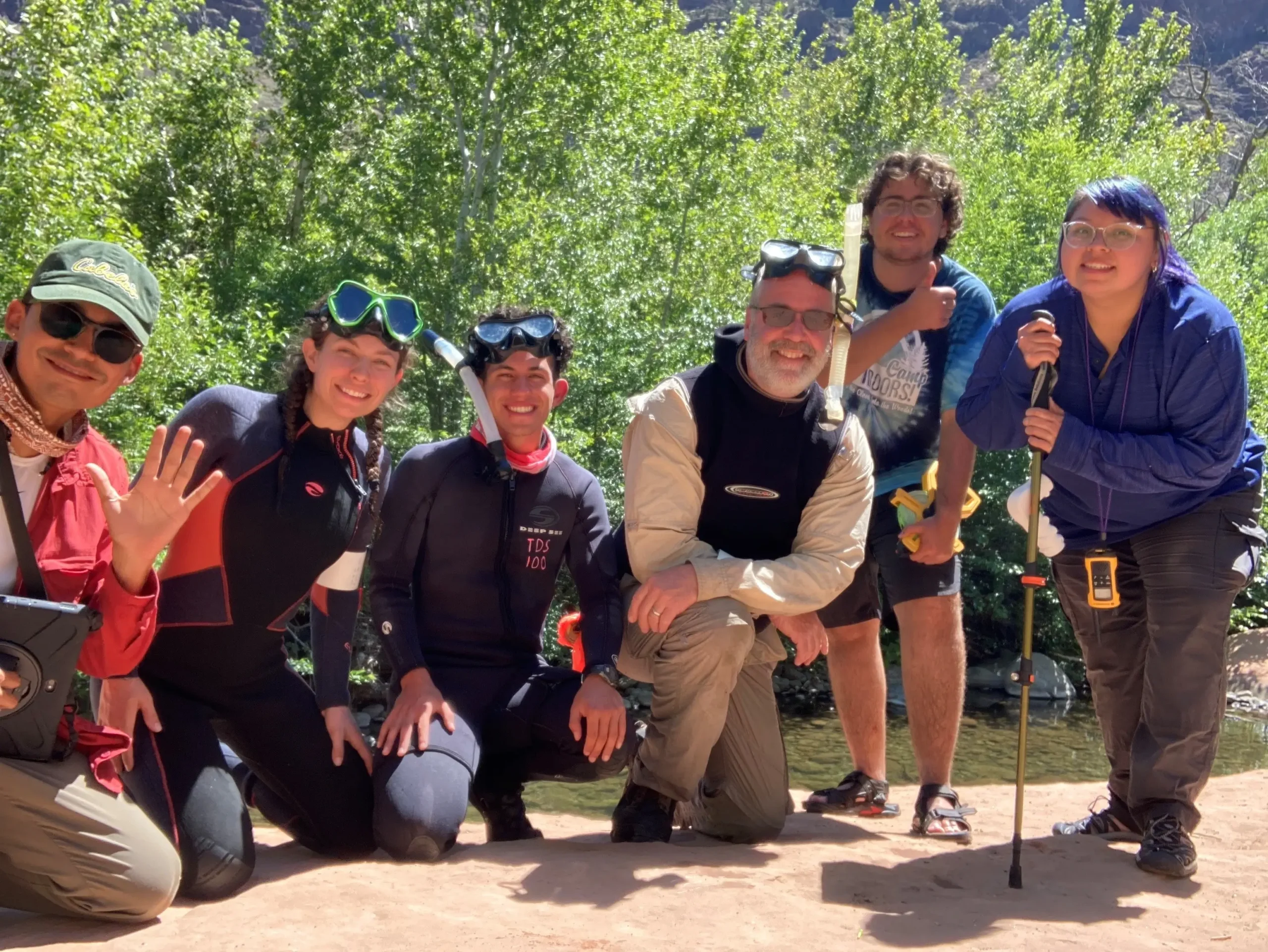
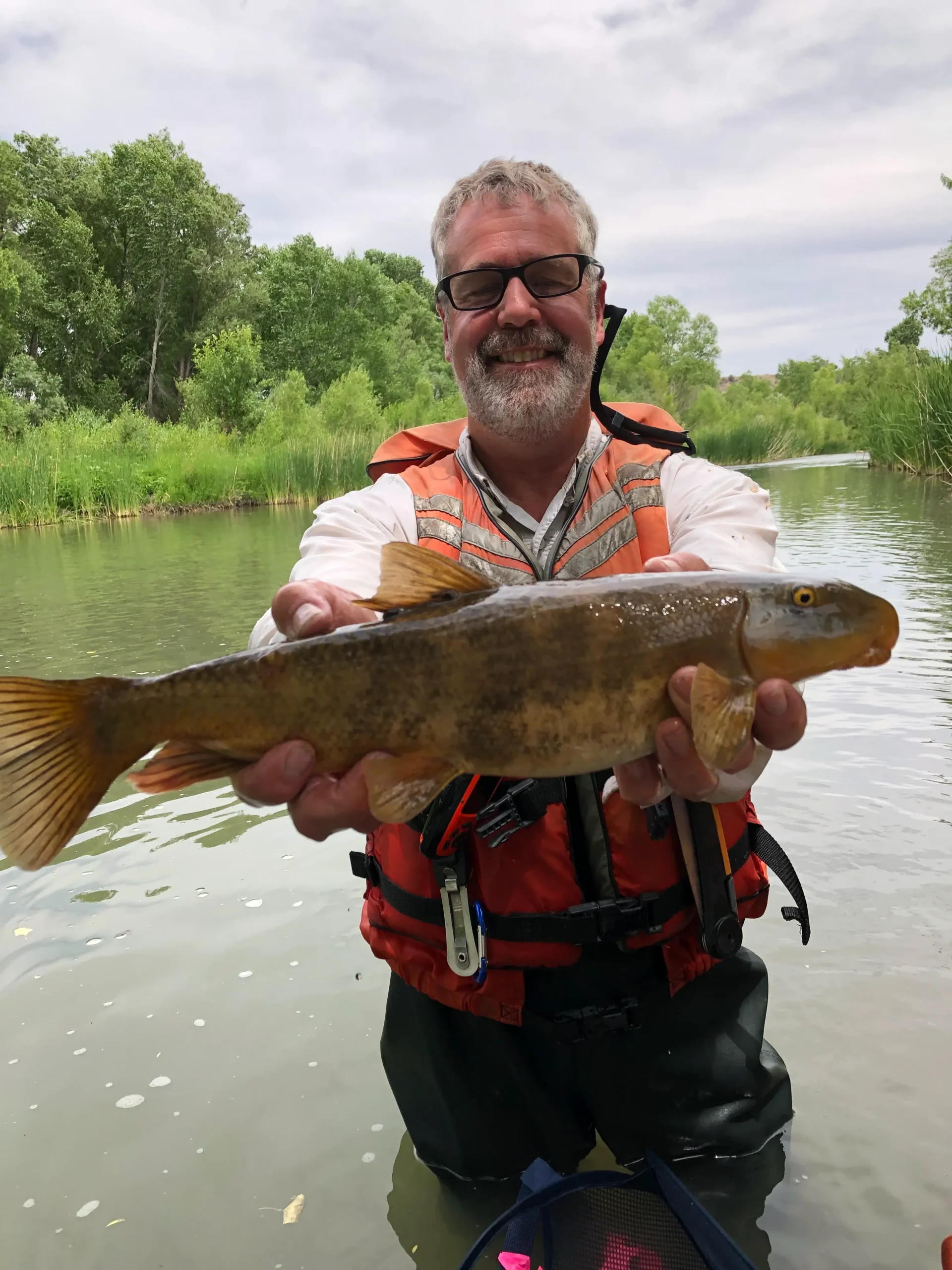
Scott A. Bonar is a Professor of Natural Resources at the University of Arizona and is leader of the U.S. Geological Survey’s Arizona Cooperative Fish and Wildlife Research Unit. Bonar has conducted award winning research in natural resources programs of state and federal governments, universities and private industry for over 40 years, authoring 230 publications, over 140 which were peer-reviewed journal articles, reports, book chapters, or books on fisheries biology and management and natural resource communication. He specializes on Western fishes, especially those of the desert Southwest. Bonar is Past-President of the American Fisheries Society, the oldest and largest scientific fisheries society of the world, where he coordinated a statement from 111 aquatic scientific societies from all seven continents on the need for rapid climate change action to conserve the world’s aquatic species and environments, which was reported in the journal Nature. In 2022 he won the Award of Excellence from AFS’s Fisheries Management Section. Bonar’s book on natural resource communication, The Conservation Professional’s Guide to Working with People was called “a must read” by the journal Ecology; and he was lead editor of Standard Methods for Sampling North American Freshwater Fishes, a best seller of the American Fisheries Society which involved contributions from over 500 fisheries professionals from almost 200 organizations across North America. In his free time he enjoys time with his family, woodworking, hiking, snorkeling, jazz clarinet, SCUBA, and showing others why the desert Southwest is such a great place for a fish biologist.